
Sound On

The Man Who Built It for Bardot.
Jean-Prosper Gay-Para
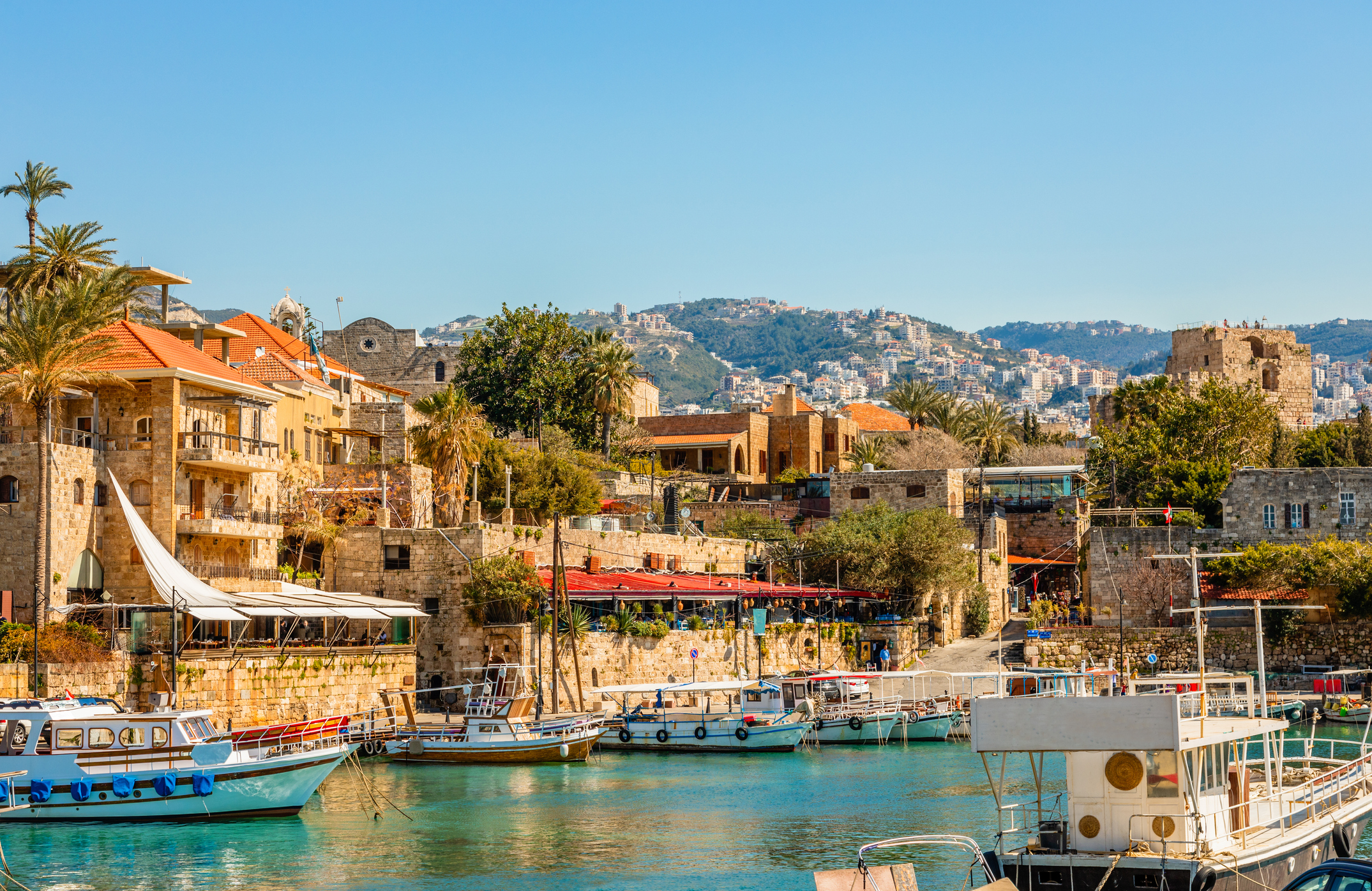
Before it was a hotel, Byblos was a city. One of the oldest in the world — a Phoenician port on the Lebanese coast dating back to around 8800 BC, today recognised as a UNESCO World Heritage Site. Through its harbour, Egyptian papyrus first travelled to Greece. The Greeks named the material after the port — biblos, their word for papyrus. From that name came books. From books, the Bible. A city so ancient it helped shape the language of the written word.
He was known in Beirut as the king of the night. Owner of the Excelsior Hotel and its celebrated Les Caves du Roy nightclub, Jean-Prosper Gay-Para understood better than most how to make a place feel like the centre of the world. In 1960, on a restaurant terrace in Beirut, he told a friend what he intended to build next: a palace worthy of the Mediterranean. Unique in its kind. He had seen Brigitte Bardot in And God Created Woman and watched a quiet fishing village become the destination the world suddenly desired. Saint-Tropez had become more than a place; it had become an idea. Gay-Para wanted to create something equal to that moment. He would name it after his city.

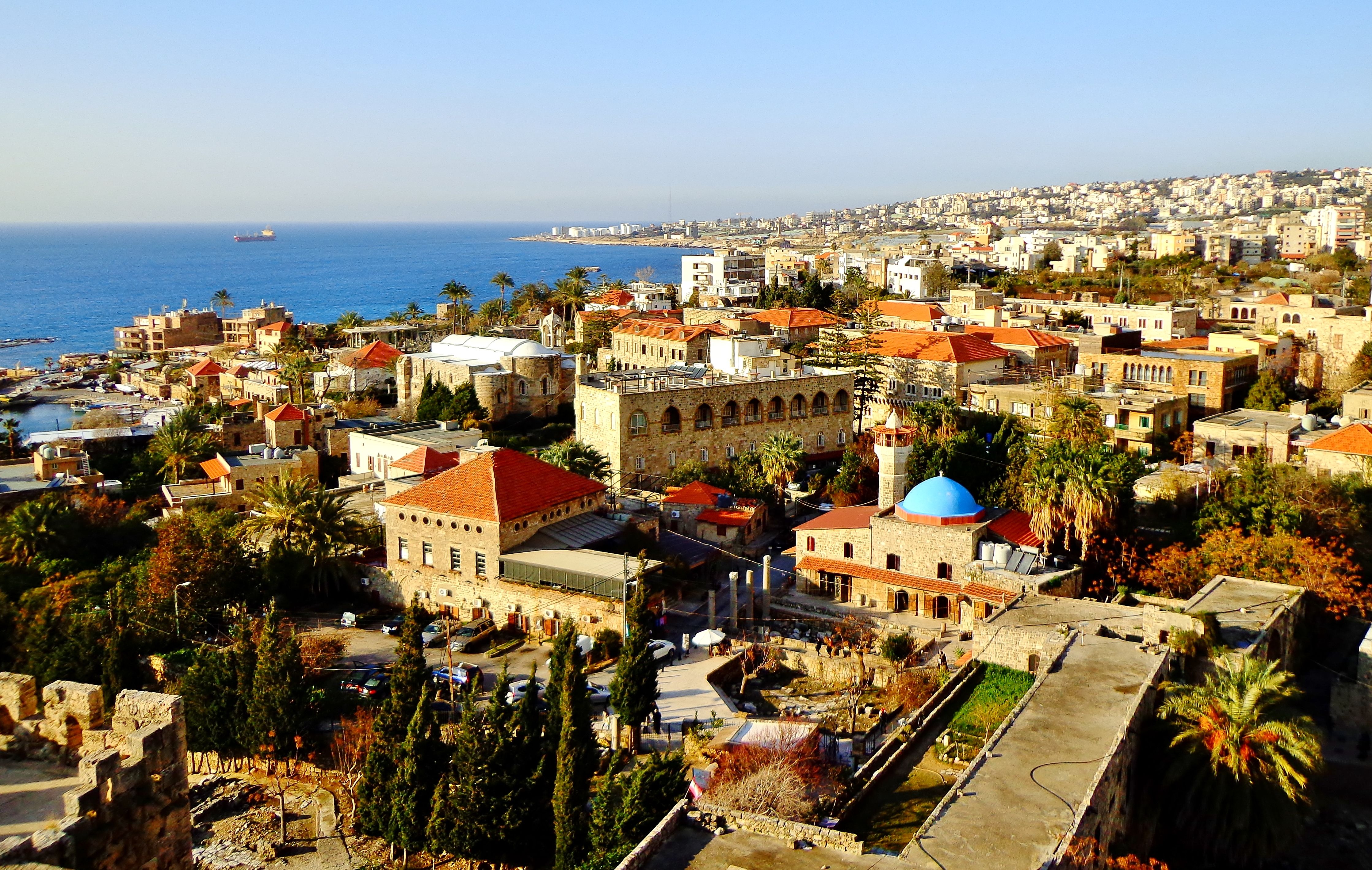
A French industrialist named Sylvain Floirat stepped in, and Byblos passed into new hands. Gay-Para never returned. But the name remained. And with it, everything the city behind it had always carried: age, trade, the Mediterranean, and the enduring human instinct to build something that outlasts a lifetime.

The Floirat family took the keys and made it their own.