
Sound On

A Village Built for Summer
Saint-Tropez.
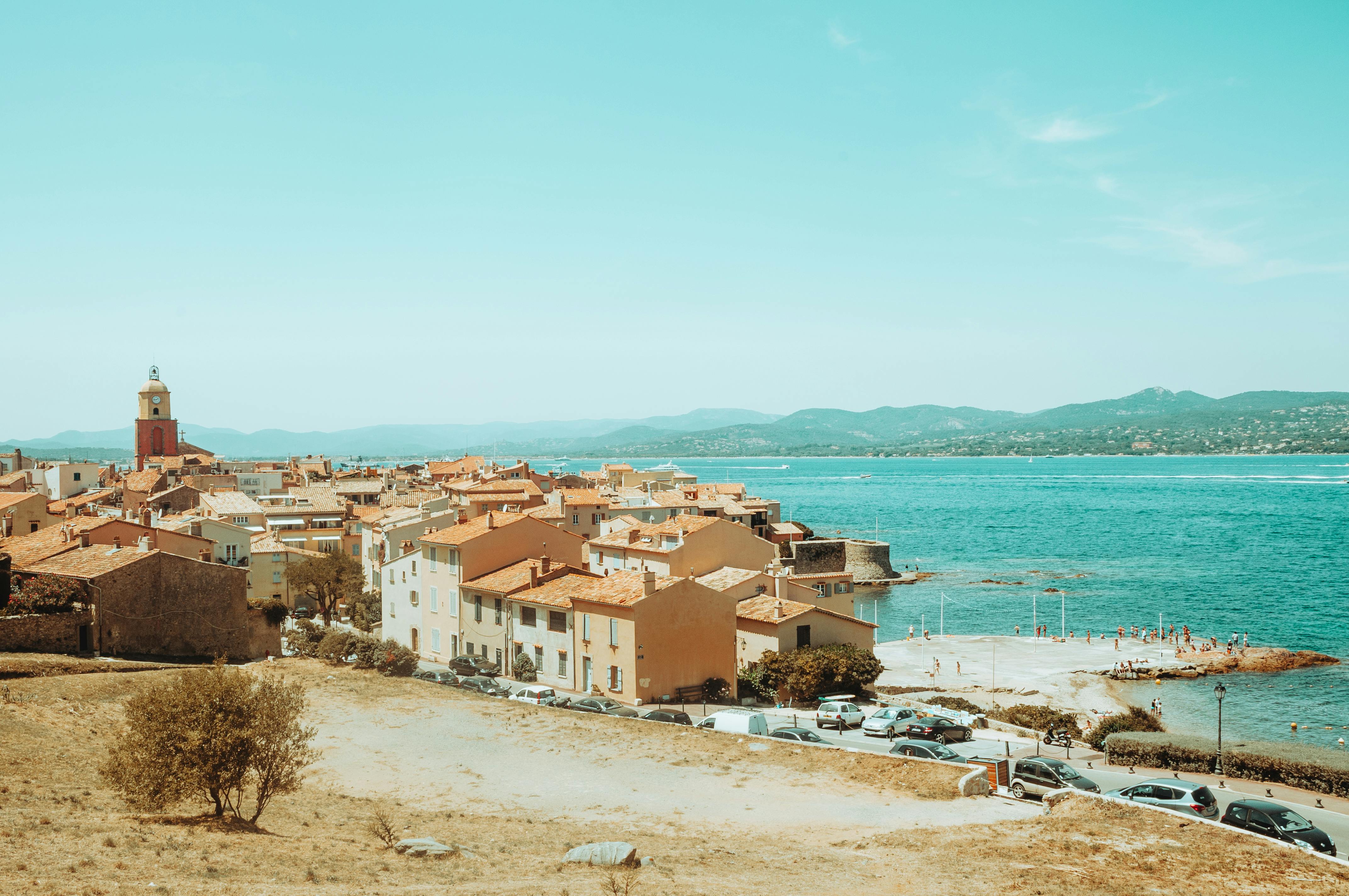
Saint-Tropez sits at the end of a peninsula on the Var coast — far enough from the main road, that for most of its history, you had to mean it to get there. A fishing village with terracotta rooftops, narrow streets the colour of dried ochre, and a harbour where the boats were more honest than glamorous.
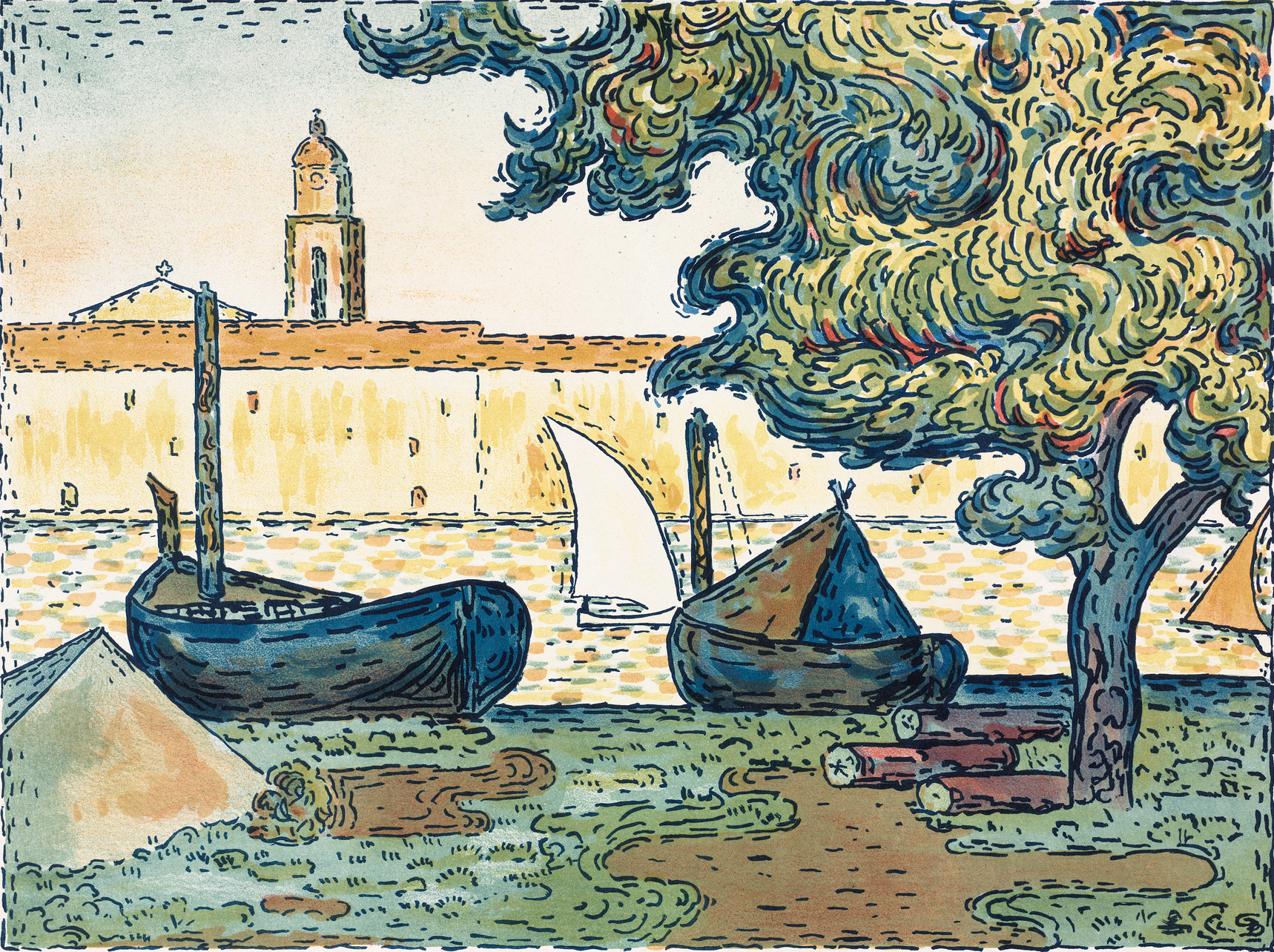
Paul Signac sailed in by boat in 1892, saw the quality of the light, and immediately bought a house. He spent decades there and quietly told everyone worth telling. What they found was a place with its own unhurried logic — a particular generosity of colour and atmosphere that the Mediterranean does only in certain latitudes.
.avif)
The film made her a star and transformed Saint-Tropez into something larger than a destination — a mythology of its own. What had once been a quiet discovery became an international idea — a place where beauty, pleasure and summer existed without apology.

This is what Jean-Prosper Gay-Para understood in 1967. Not a moment — moments pass — but something accumulated. A Lebanese hotelier with an obsession, standing on a terrace in Beirut, already imagining what he would build here.